

Picking the right magnifier sounds simple. It isn't. It's actually one of the trickier challenges in low vision care -- and for a practitioner who's been doing this for years, it can look effortless. They glance at the patient's acuity, watch how they function, and hand them the right tool like it's nothing.
But if you're earlier in that journey -- or if you're a patient trying to figure this out on your own -- there's real method to it. And a few things you need to understand before you start.
More Magnification Isn't Always Better
This is probably the most important thing to get right upfront.
When you add lighting for a low vision patient, you're making things brighter -- and the whole page benefits. There's no meaningful trade-off. But magnification works differently. When you magnify, you restrict the field of view. The more you magnify, the smaller the window your patient is looking through. And a smaller window means a less functional reading experience, even if individual letters are clearer.
So the goal isn't the most powerful magnifier. The goal is the right magnifier -- the one that gives enough magnification to do the job without shrinking the field of view more than necessary.
Stop Trusting the "X"
Here's where a lot of people go wrong. You pick up a magnifier at the pharmacy, it says "3x" on the label, you pick up another one that says "5x," and you assume you know what you're getting. You don't.
The "x" measurement works well for telescopes and binoculars. For magnifiers, it's unreliable, and here's why: there are multiple formulas used to convert a lens's diopter value into an X rating, and different manufacturers use different ones. The result is that products labeled "4x" and "5x" can have virtually the same enlargement ratio, while a magnifier labeled "8x" might actually enlarge less than one labeled "7x." The number on the package doesn't tell you what you think it tells you.
What magnifiers should be measured in, and what actually corresponds to how the lens behaves, is diopters.
What Is a Diopter, and Why Does It Matter?
A diopter is a measure of focal length. If you've ever held a magnifying glass at just the right distance to focus a point of light on the ground (or, if you were that kind of kid, to burn a hole in a leaf), that distance between the lens and the object is the focal length. The stronger the optical power of the magnifying lens, the shorter the required distance between the magnifier and the object.
So an 8-diopter magnifier sits noticeably farther from the page than a 39-diopter magnifier. That distance difference is also why higher-diopter magnifiers produce a smaller field of view, the lens is closer to the eye and to the material, which narrows what you can see at once.
Diopters are consistent. X ratings are not. That's why practitioners who work in low vision use diopters.
How to Estimate the Right Diopter
If you're working with a patient, or working through this yourself, there's a practical formula that gets you in the right neighborhood. You need three data points (you can use our Printable Near Card):
- What can the patient currently read? Measure this in M units (the print size measurement used in low vision assessment). For example, M8.
- What do they want to be able to read? Think about the actual task, a newspaper, a prescription bottle, a restaurant menu, and identify its approximate M size. Large-print books are typically around M2, standard print is closer to M1.
- At what distance do they hold reading material when they can read it? Measure this in centimeters.
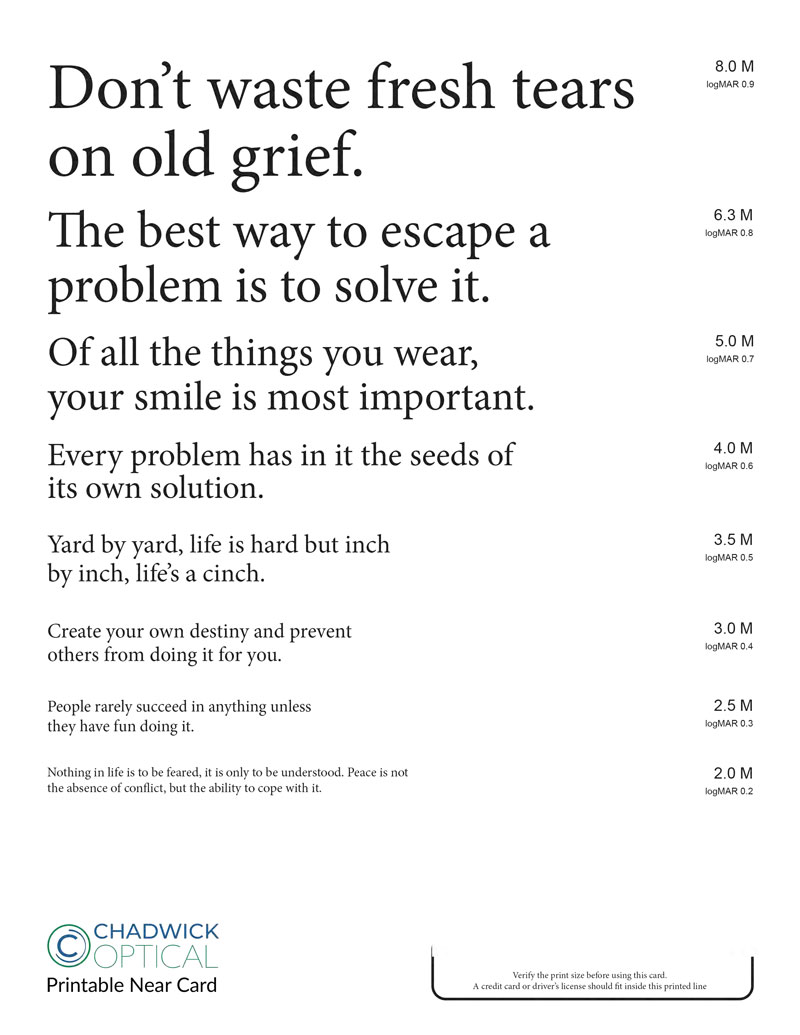
The basic formula divides what the patient can read by what they want to read to estimate the magnification needed. From there, you convert to diopters to identify a starting magnifier. Our Diopter Equivalent Calculator does the math for you, plug in the three numbers and it gives you a starting point.
Note the phrase "starting point." This formula gets you close. It doesn't replace hands-on evaluation with physical magnifiers, and the right answer can still vary depending on the patient's specific condition, their remaining field of vision, and what they're actually trying to do with the magnifier day to day.
The Bottom Line
Choose lighting first, it's almost always additive and rarely has a downside. When it comes to magnifiers, resist the pull toward higher power. Start with what the patient actually needs for the task they care most about, measure in diopters not X, and use the formula to narrow it down before putting options in front of them.
And if you're working through a case that isn't coming together cleanly, that's what we're here for. Give us a call.
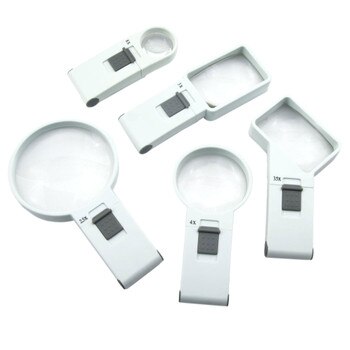
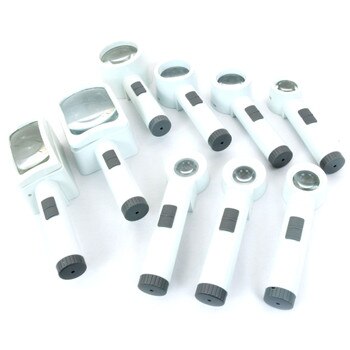
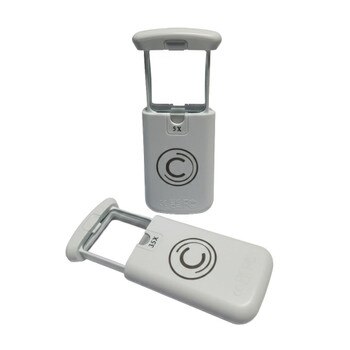
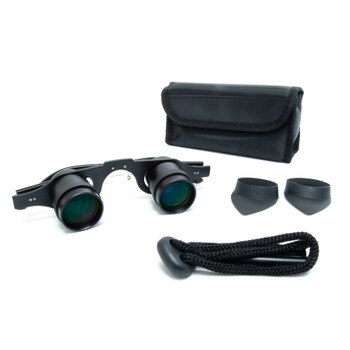
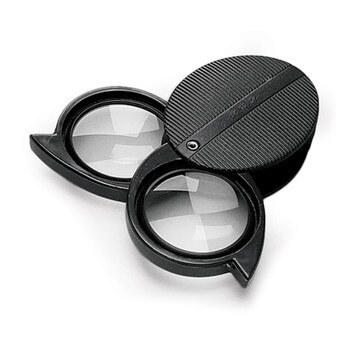
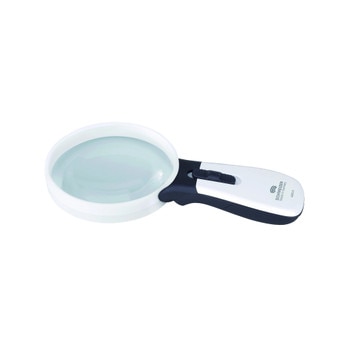
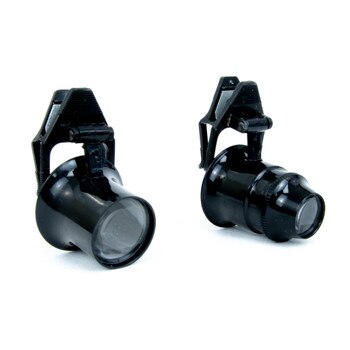
Questions about magnification? Send them to our "Ask Chadwick" video series here.
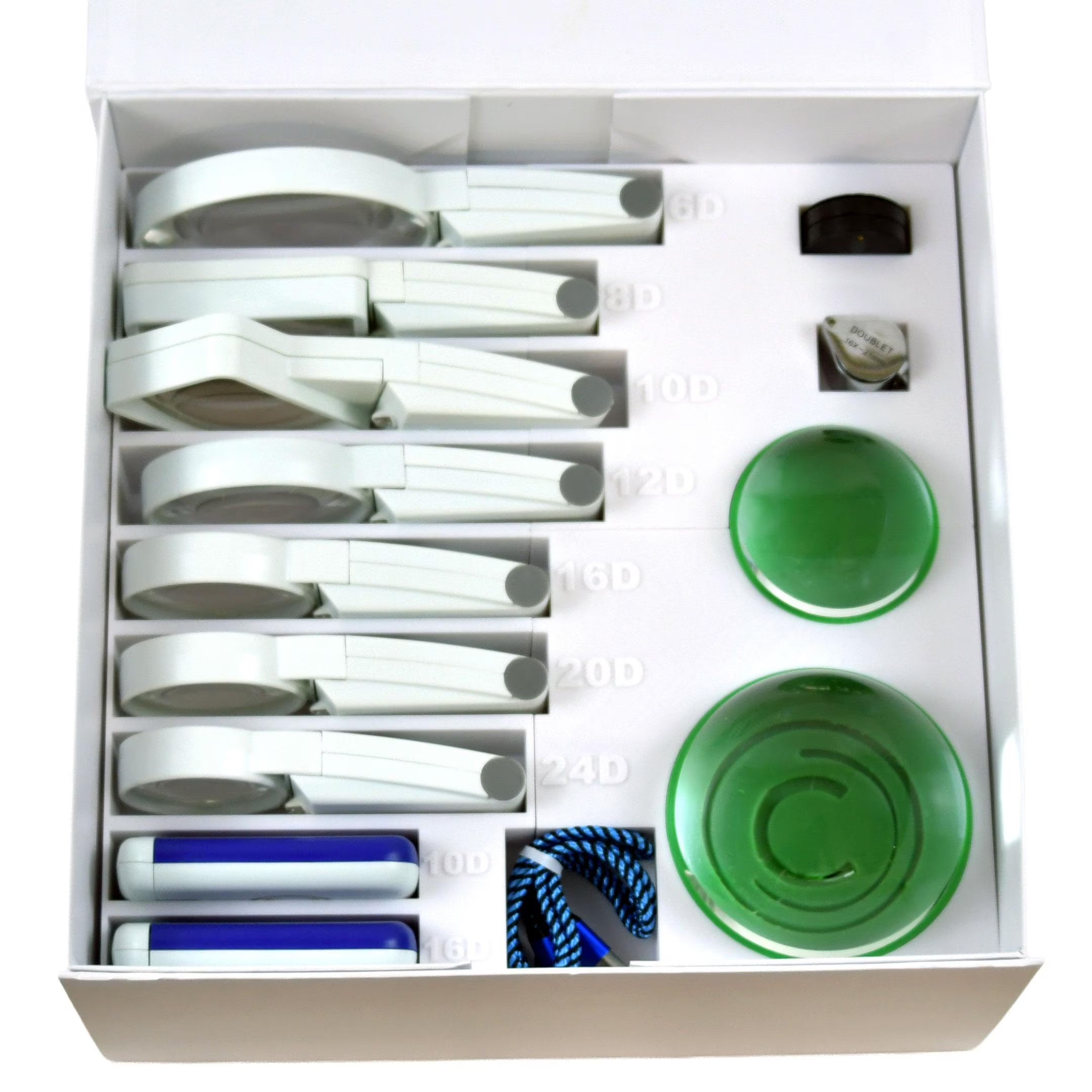
LOW VISION PRACTITIONERS
HELP LOW VISION PATIENTS LOOK CLOSELY
Stop guessing and start testing with this dedicated in-office diagnostic tool, allowing doctors and technicians to work directly with patients to identify the precise magnification power and form factor required for their daily needs.