
TBI Filters Comparison

Photosensitivity is one of the most common and frustrating symptoms for patients recovering from a concussion or traumatic brain injury. Fluorescent lighting, screens, glare, bright sunlight, the triggers are everywhere, and the right tinted lens can make a real difference in how manageable daily life feels.

The tricky part is that there's no universal answer. What works for one patient may do nothing for another, and the range of filters used in TBI and neuro-visual cases is broader than most people expect. Blues, roses, plums, each blocks a different part of the spectrum and tends to perform differently depending on the patient's specific sensitivities and environment. This tool lets you compare how our most commonly prescribed TBI and concussion filters change the appearance of a real-world scene.

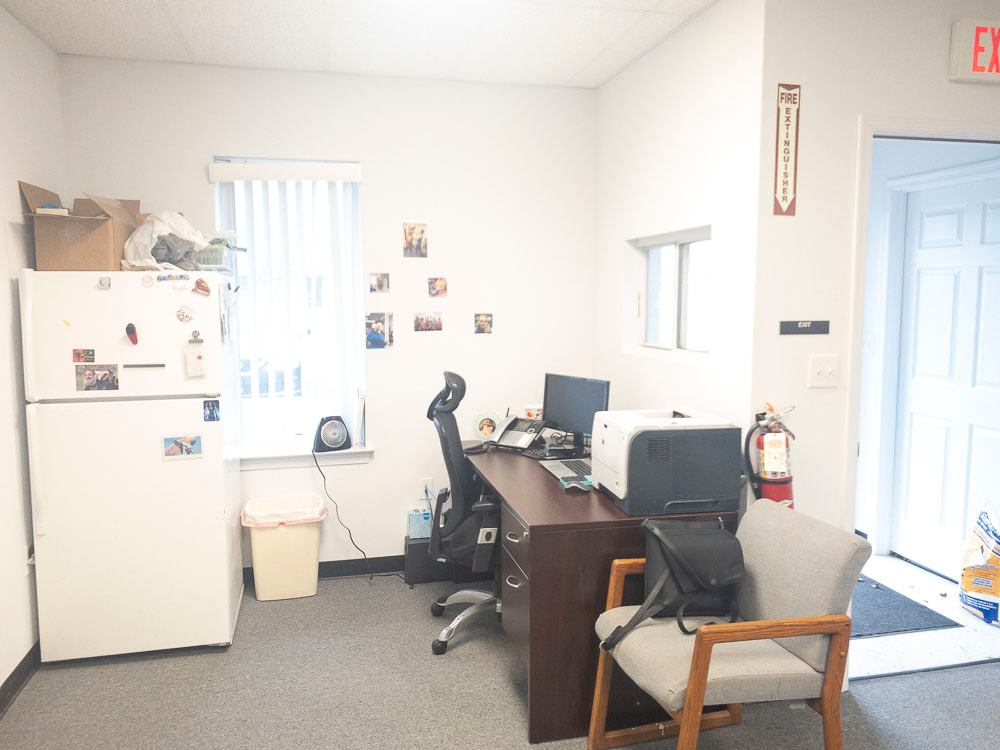
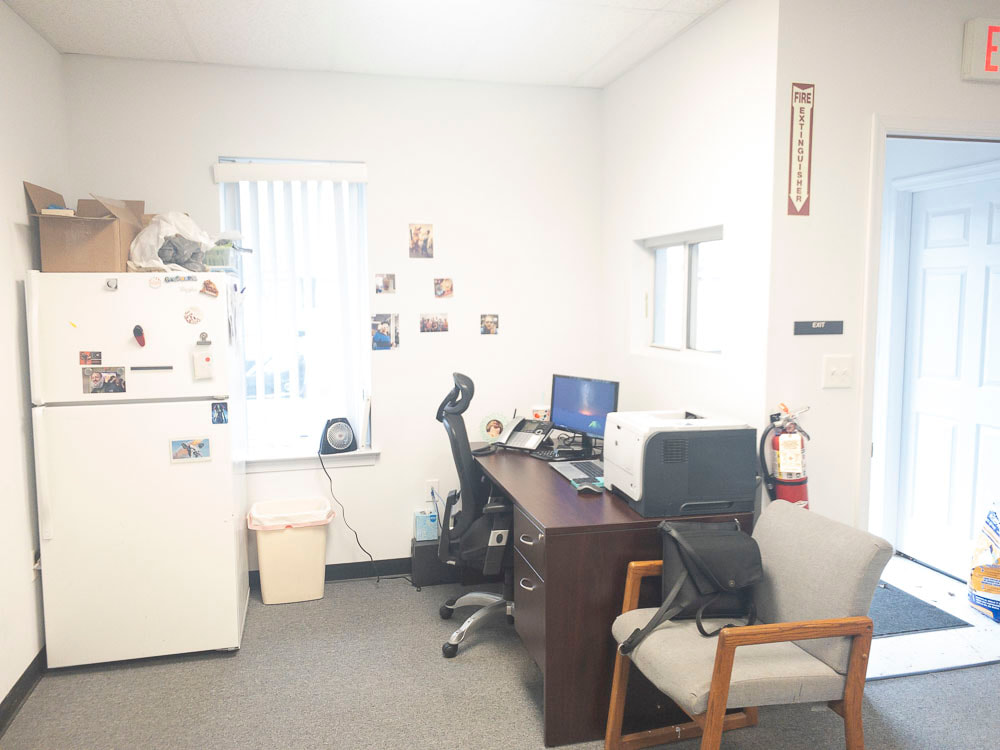
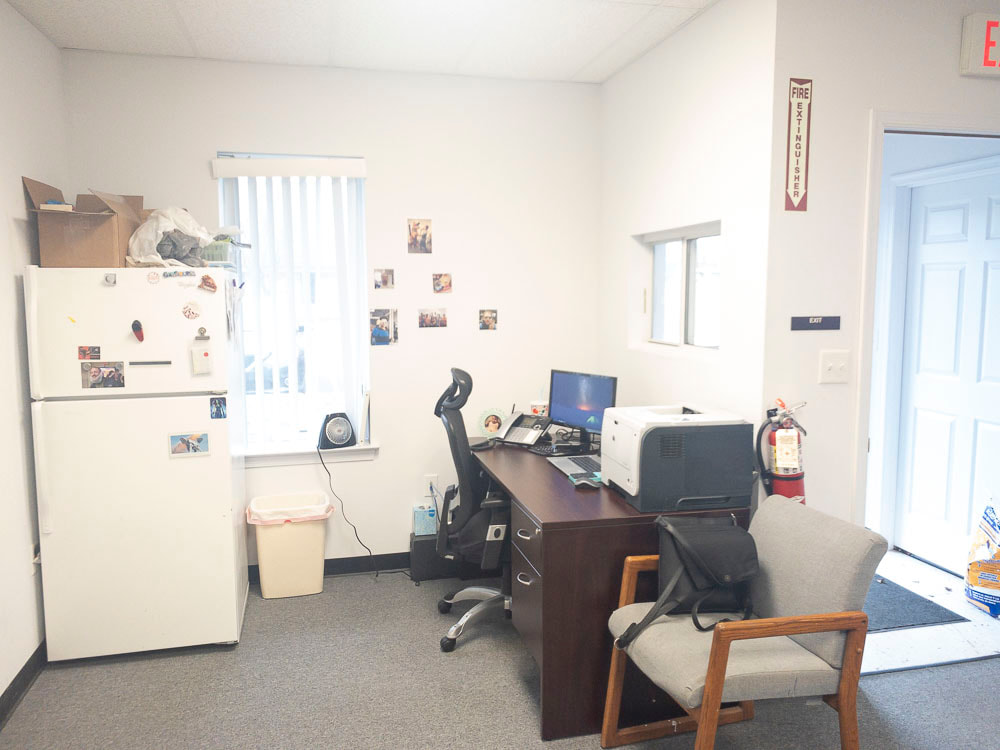
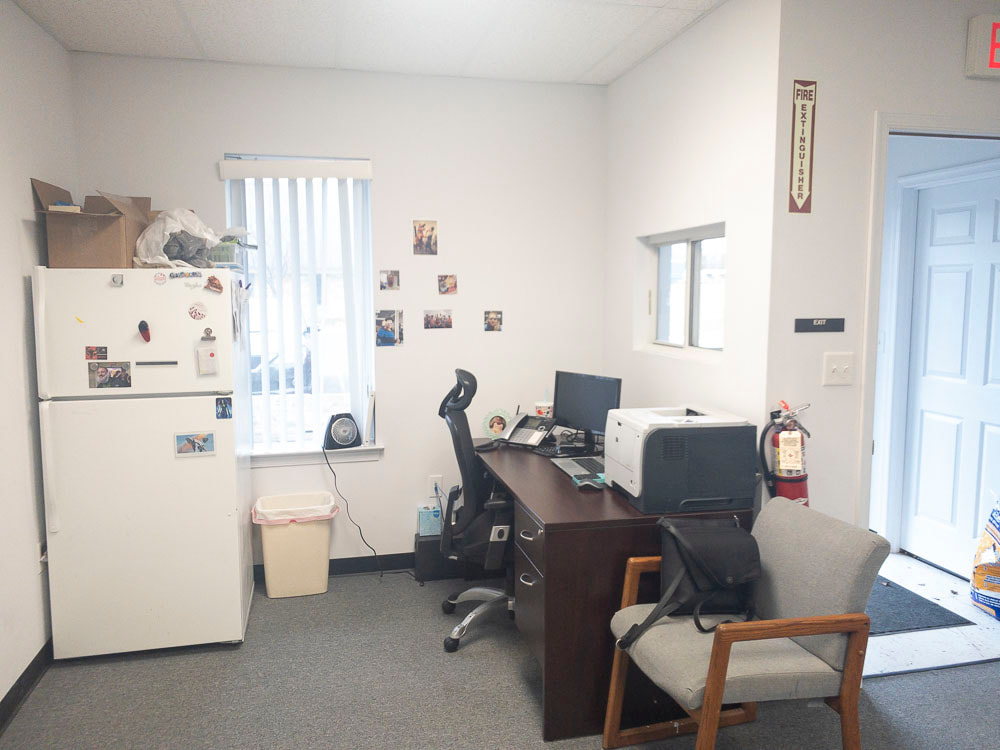
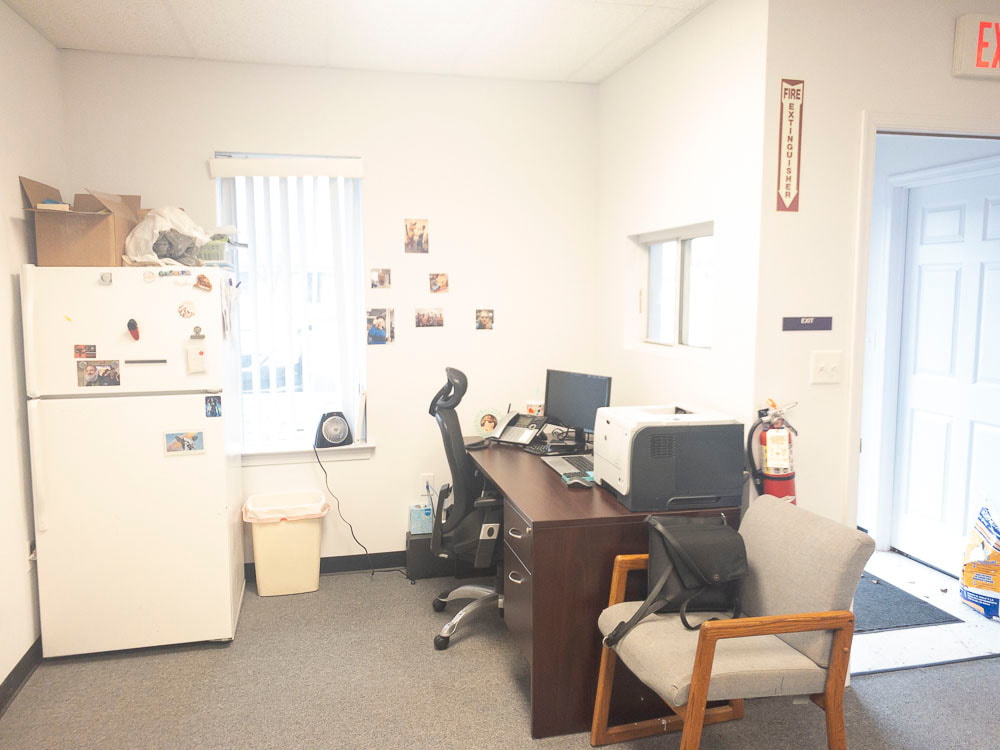
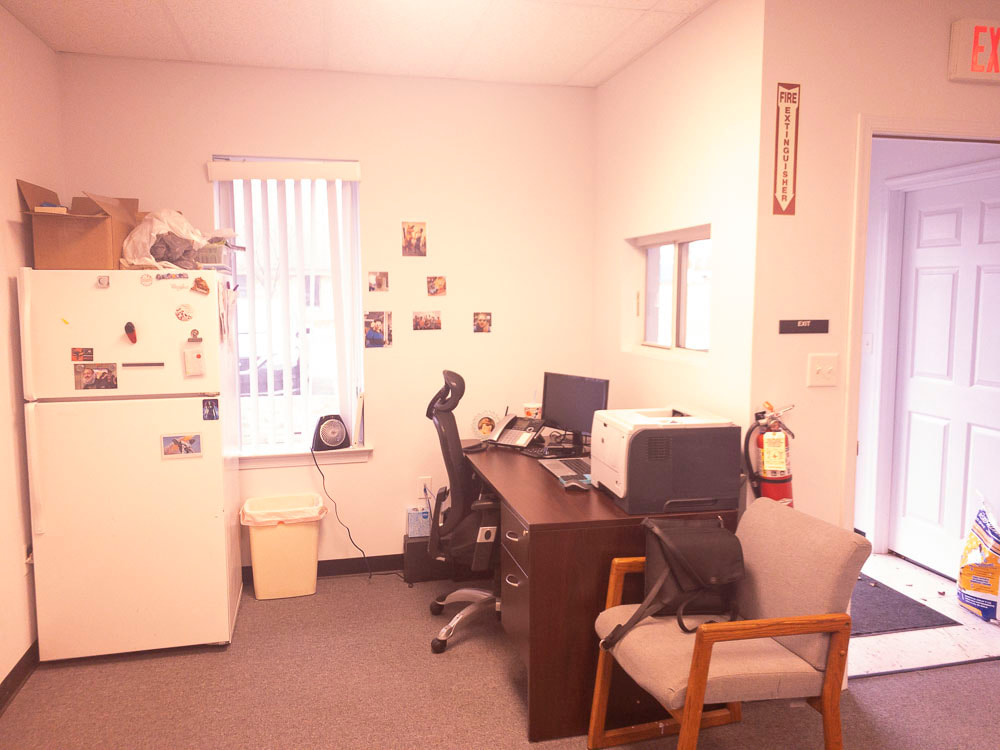
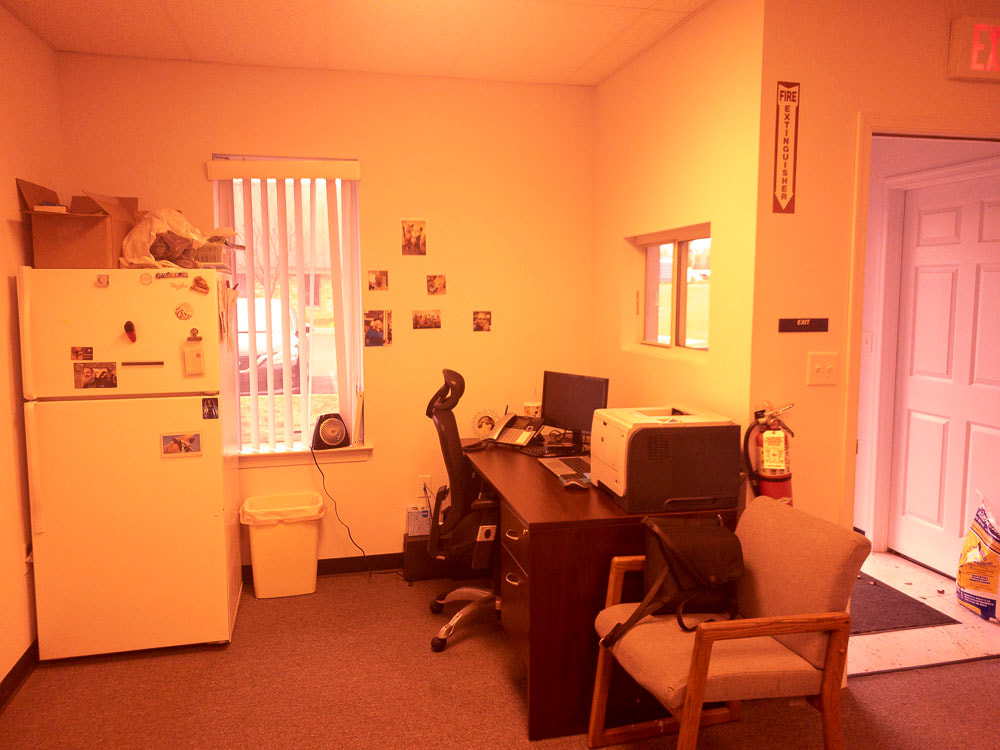
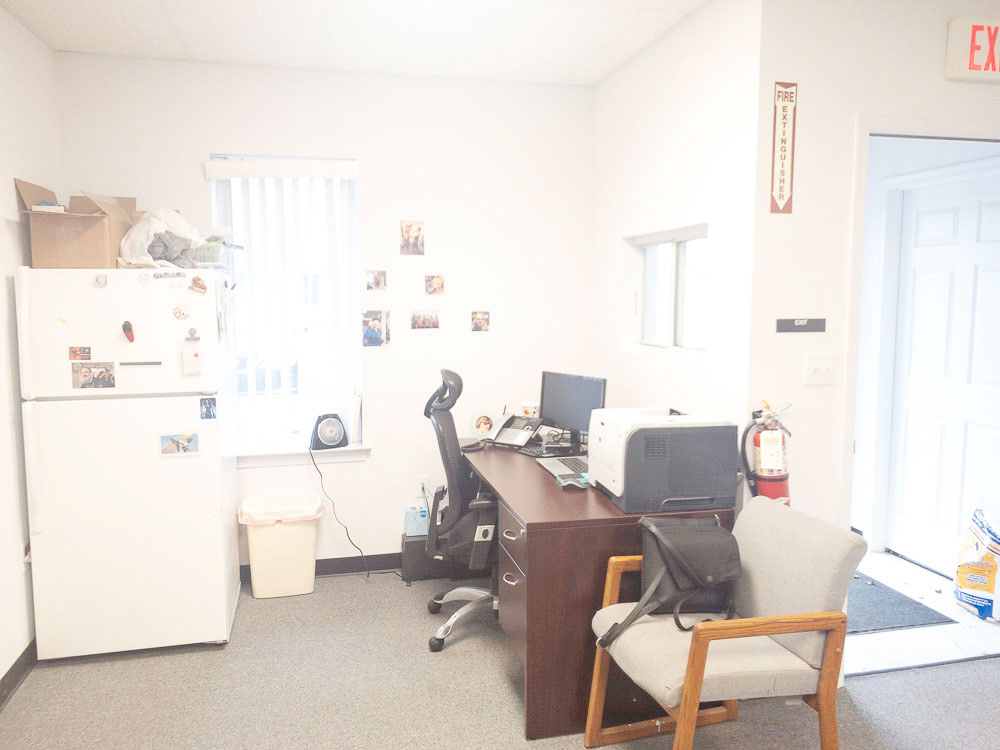
Check below for a side-by-side comparison of no filter vs the following TBI tints:

Circular icon with a smiling face wearing glasses in light teal, representing the Green/Blue 20 lens tint.

Green/Blue 20%

Circular icon with a smiling face wearing glasses in light blue, representing the Blue/Green 20 lens tint.

Blue/Green 20%

Circular icon with a smiling face wearing glasses in light blue, representing the E-15 lens tint.

E-15 Blue

Circular icon with a smiling face wearing glasses in light blue, representing the E30 Blue lens tint.

E-30 Blue

Circular icon with a smiling face wearing glasses in dark blue, representing the E50 Blue lens tint.

E-50 Blue

Circular icon with a smiling face wearing glasses in bright blue, representing the Z Blue lens tint.

Z Blue

Circular icon with a smiling face wearing glasses in light rose, representing the FL-41 75% lens tint.

FL-41 75% Light Rose

Circular icon with a smiling face wearing glasses in medium rose, representing the FL-41 50% lens tint.

FL-41 50% Medium Rose

Circular icon with a smiling face wearing glasses in darker rose, representing the FL-41 27% lens tint.

FL-41 27% Dark Rose

Chadwick Optical - Dark Plum (NoIR 81) lens filter

NoIR 81 (Dark Plum)

Chadwick Optical - Medium Plum (COI Plum) lens filter

COI Plum (Medium Plum)

Chadwick Optical - Light Plum (NoIR 88) lens filter

NoIR 88 (Light Plum)

Check below for a side-by-side comparison of no filter vs the following NoIR tints:

Chadwick Optical TBI/Polytrauma Kit Colors

One thing to keep in mind: what you see on a screen is an approximation. TBI patients in particular can be highly sensitive to subtle differences in color and light, and those nuances don't translate reliably across monitors and devices. Think of this as a way to orient the conversation with your patient before they try physical samples, not a substitute for that hands-on evaluation.
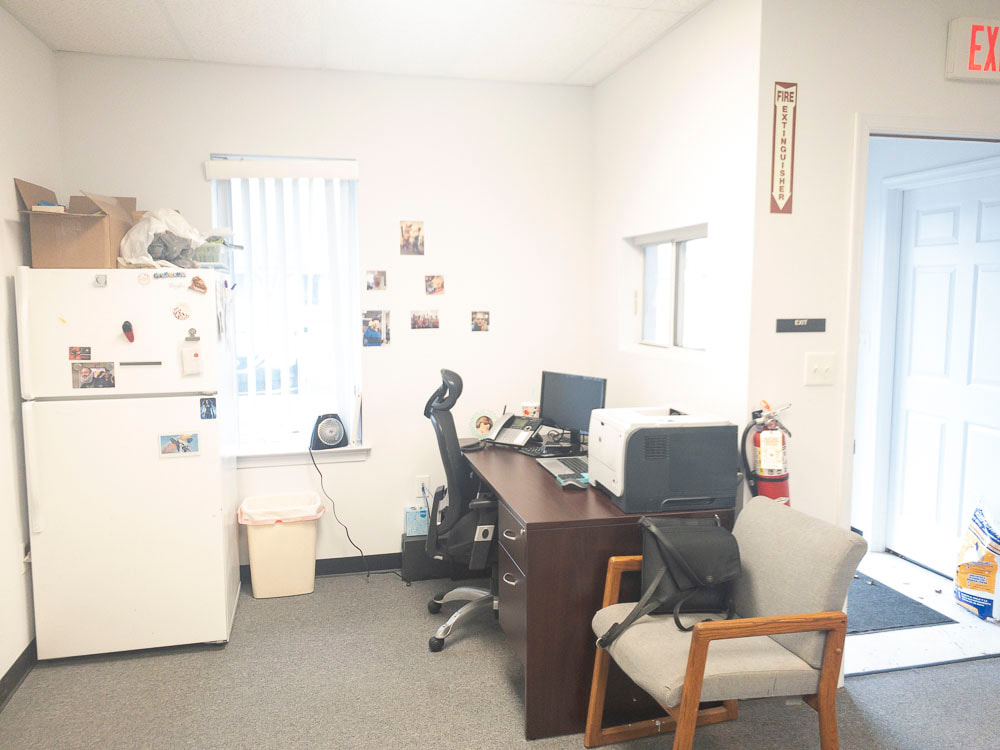
A view of an office room under a greenish-blue tint, creating a distinct, calm overlay that enhances green and blue tones, altering the ambiance of the room significantly and affecting visibility of natural colors.
A view of an office room under a blue-green tint, applied by the BlueGreen-20 filter, creating a soft teal hue that adds a cool and calming tone to the space, subtly enhancing the green and blue tones across the room.
A view of an office room under a light blue tint, applied by the E-15 filter, lightly cooling the room’s tones with a pale blue wash that keeps details clearly visible.
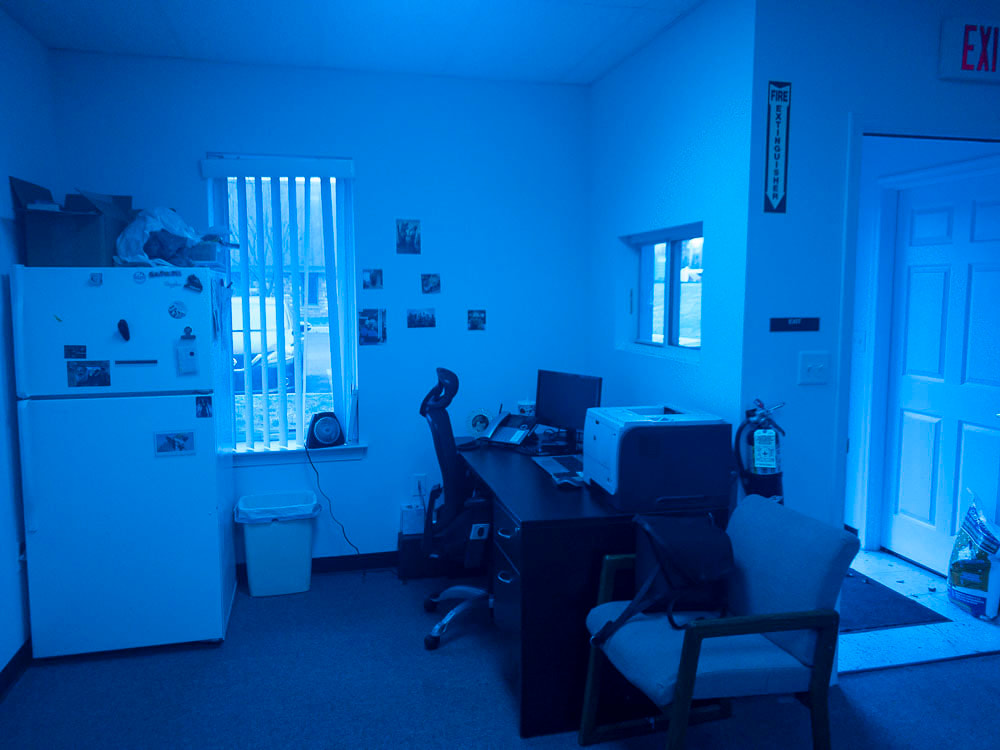
A view of an office room under a medium blue tint, applied by the E-30 filter, providing a moderate blue shade that cools the room's appearance without overly obscuring details.
A view of an office room under a dark blue tint, applied by the E-50 filter, casting a strong blue tone over the entire room and significantly darkening the visibility of furniture and details.
A view of an office room under a cool blue tint, applied by the Noir 26 filter, casting a serene and intense blue shade over the image, significantly altering the color perception of furniture and room elements.
A view of an office room under a light plum tint, applied by the Noir 88 filter, adding a gentle pinkish-purple hue across the room, subtly affecting color perception while maintaining visibility of details.
A view of an office room under a medium plum tint, applied by the COI filter, adding a purplish cast that subtly alters the room’s hues and introduces a soft, muted quality to the details.
A view of an office room under a dark plum tint, applied by the Noir 81 filter, creating a rich, deep purple overlay that reduces brightness and changes the appearance of colors, affecting the visibility of fine details.
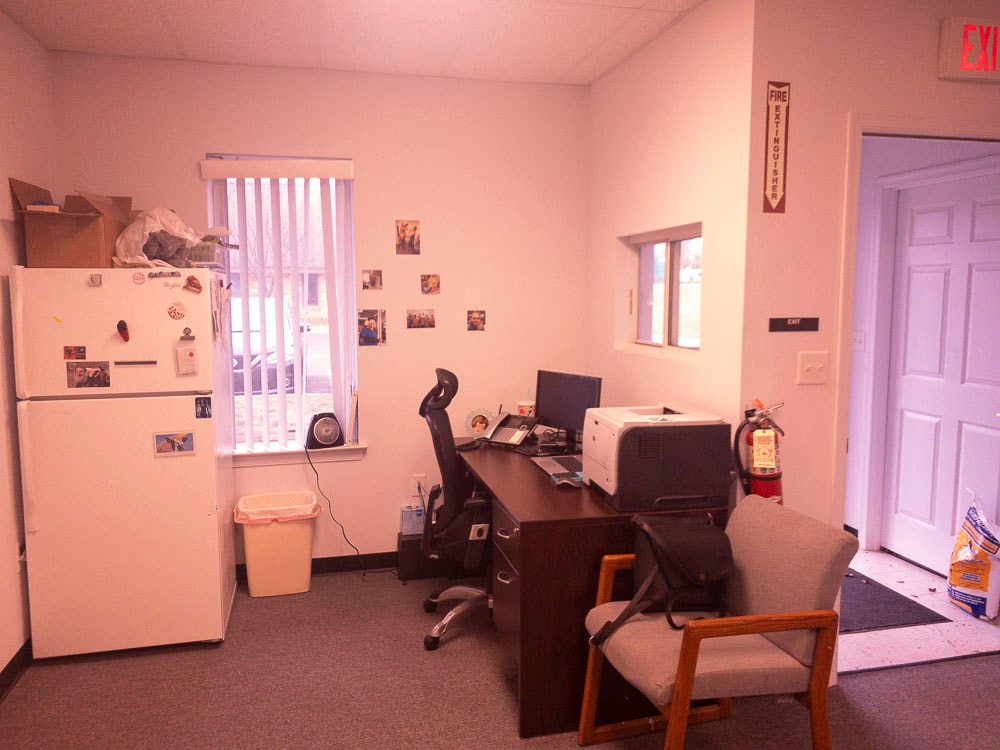
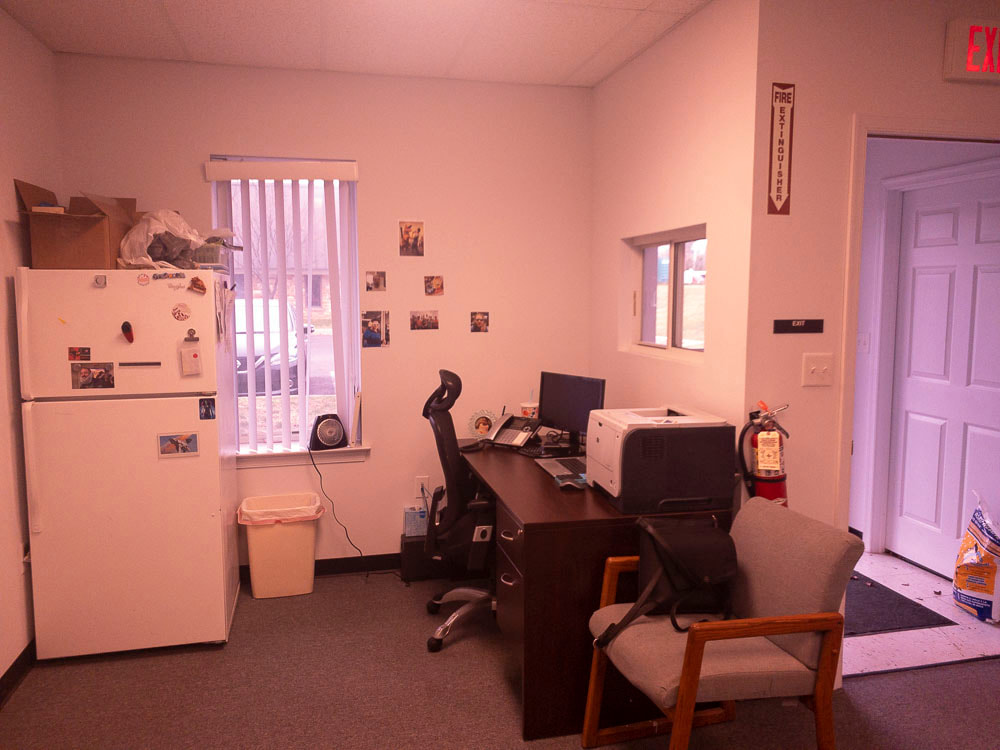
A view of an office room under a light rose tint, applied by the FL-41 filter, casting a soft pinkish hue that slightly warms the image, gently affecting color perception without obscuring room details.
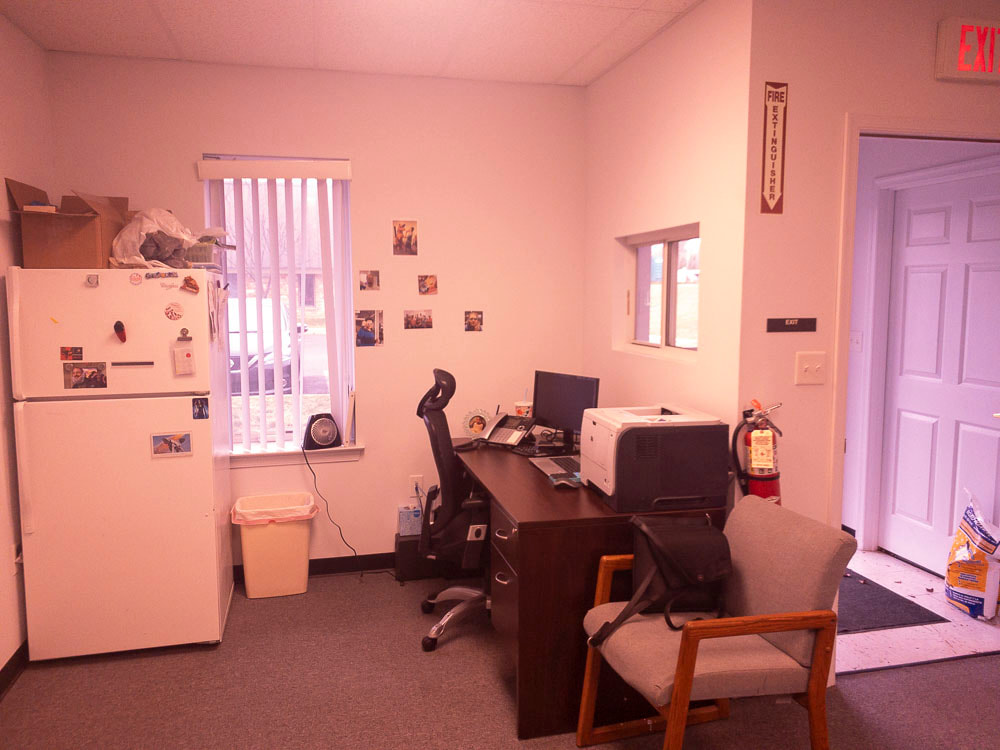
A view of an office room under a medium rose tint, applied by the FL-41 filter, creating a soft pinkish hue that subtly warms the overall ambiance and slightly softens the room’s details.
A view of an office room under a light rose tint, applied by the FL-41 filter, giving a faint pink glow that minimally affects the color of the room but adds a gentle warmth.

If you want to put actual filters in front of your patient's eyes, our TBI Tint Selection Kit is built for exactly that. And if you're working through a tough case and not sure where to start, give us a call.

TBI Tint Selection Kit

Developed as a simple way for practitioners to allow their patients to sample various tints known to help with conditions such as migraine, epilepsy, traumatic brain injury and concussion. The kit also provides an easy way to find the best lens shape for us to create a custom clip for your patient’s existing glasses.