The immersion of a movie theater is unique. Between the surround sound and the smell of popcorn, it’s an experience most of us take for granted. But for someone with photosensitive epilepsy, that darkened room can feel like a minefield.
Action-packed explosions, sci-fi strobe effects, and the high-contrast rapid editing of trailers can turn a fun night out into a medical risk. It’s frustrating when the “standard of care” tells you to just stay home and avoid the things you love.
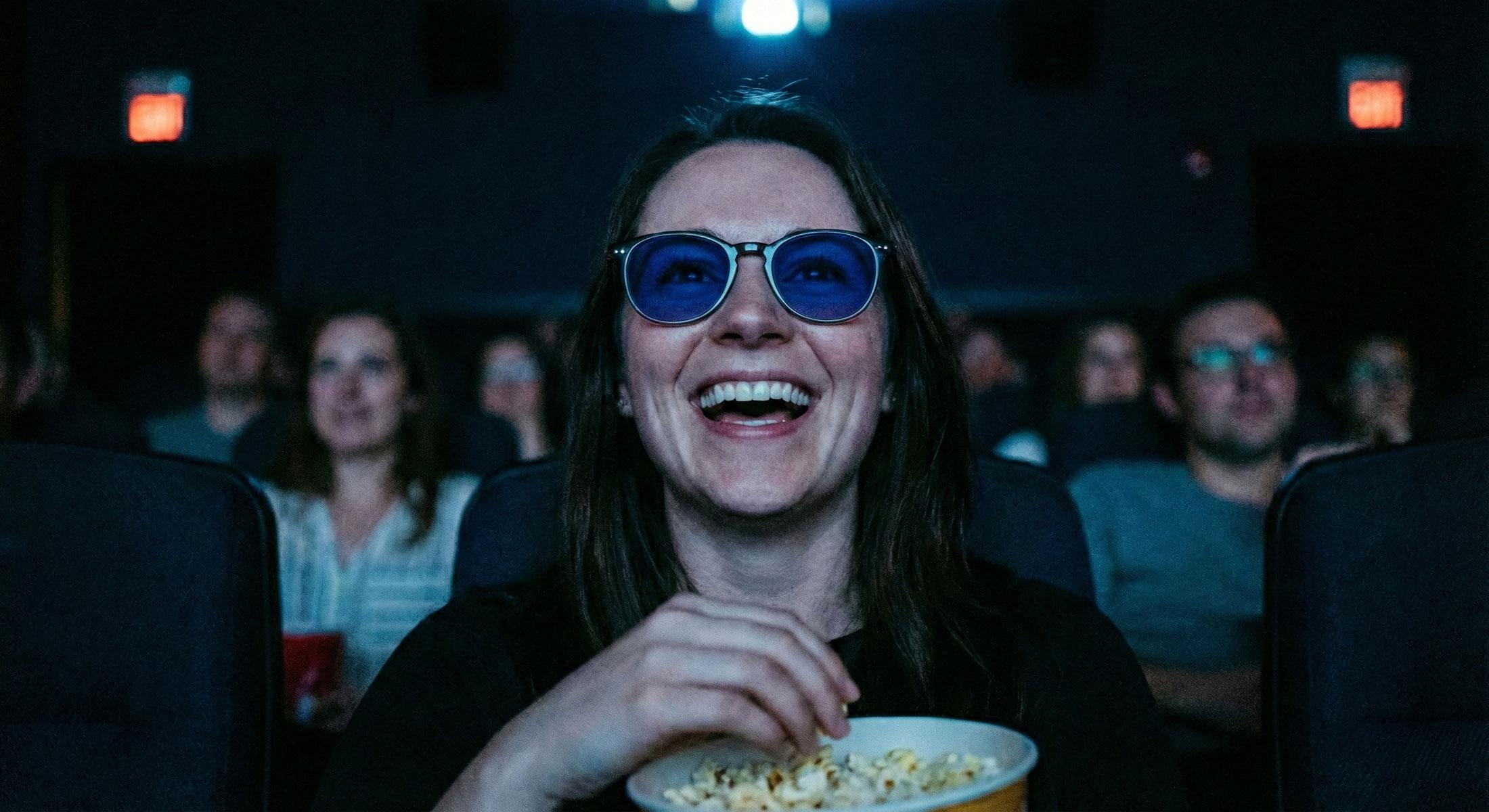
At Chadwick, we’re a bunch of optical nerds who believe you deserve more than just “playing it safe.” There is a practical tool that can help you modify the data your brain is receiving so you can reclaim the cinema: epilepsy glasses.
What Is Photosensitive Epilepsy in the Cinema?
Photosensitive epilepsy is triggered by specific visual stimuli—mostly flashing lights and high-contrast patterns. In a dark theater, these triggers are on steroids.
Your pupils dilate in the dark, which means your eyes are wide open, letting in every sudden burst of light from the screen. It’s like your brain is being hit with a flood of data it didn’t ask for. Common triggers include:
- Action Sequences: Rapid gunfire, explosions, or those high-flicker strobe effects sci-fi directors love.
- High-Contrast Transitions: That jarring “white-out” when a scene cuts from a dark room to a bright sky.
- The Flicker Effect: The hyper-fast editing styles often found in trailers or music videos.
For movie lovers, these elements can make seeing the latest release feel impossible. But remember: your eyes are just the input. We can change that input.
How Do Epilepsy Glasses Work?
Think of these glasses as a specialized filter for your three-pound organ (your brain). They aren’t just “blue sunglasses.” They are a way to block the specific “noise” that causes a seizure.
Filtering the Data
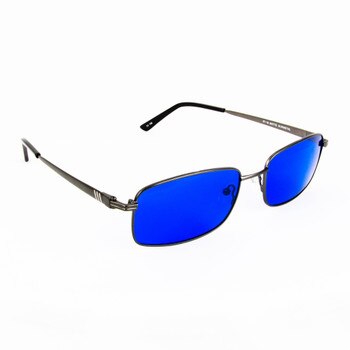
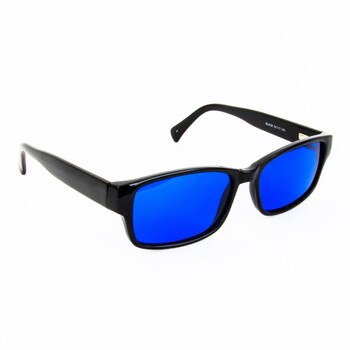
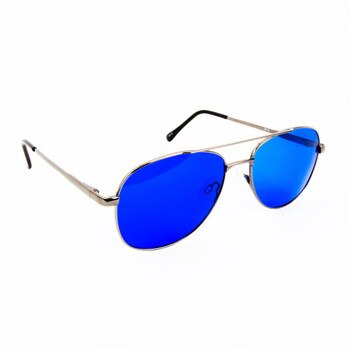
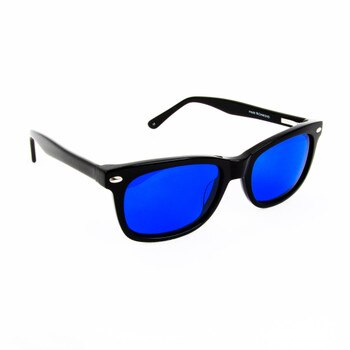
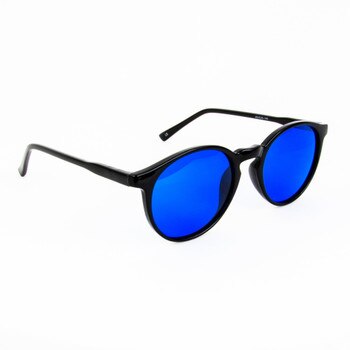
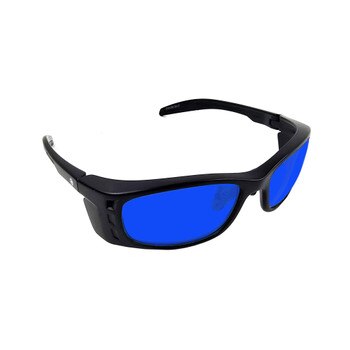
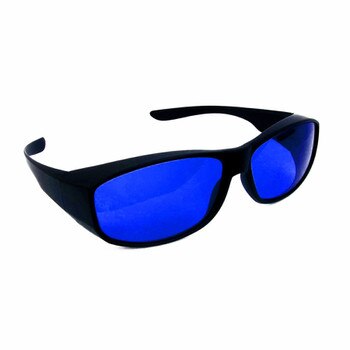
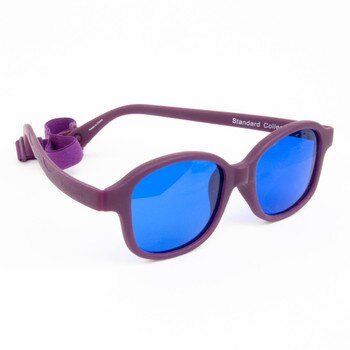
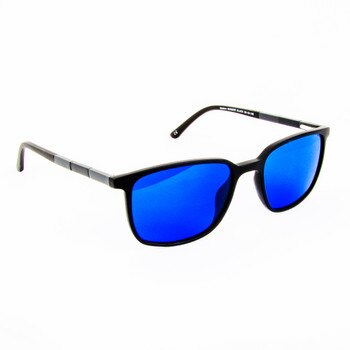
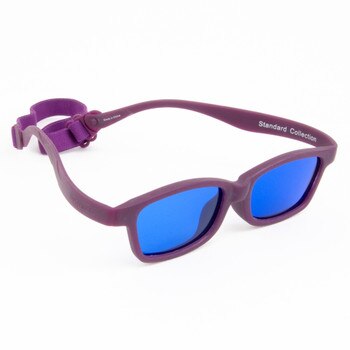
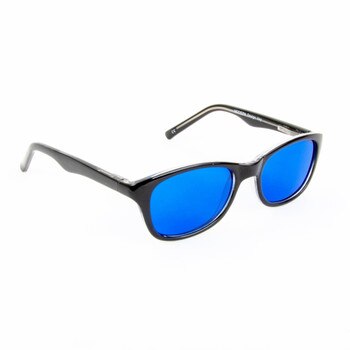
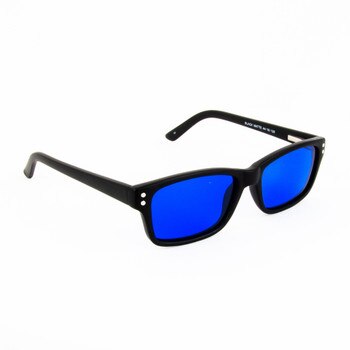
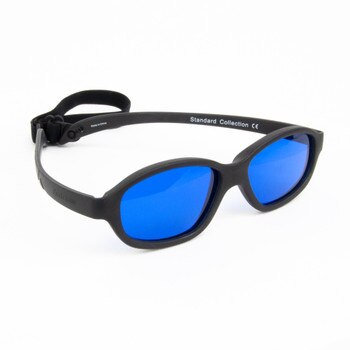
These glasses use a very specific deep cobalt blue filter we call Z Blue. Do not mistake this for a generic pair of blue-tinted glasses you’d find online—those are a gamble.
The Z Blue filter is precisely calibrated to block or significantly reduce light in the red/amber spectrum (around the 610-nanometer wavelength). Why? Because that’s the frequency research shows is the primary “crossed-wire” trigger for seizures.
Stabilizing the Input
By cutting through the glare and softening the harsh edges of high-contrast imagery, Z Blue lenses help stabilize the information reaching your brain. It lowers the visual noise and reduces the chance of the hyper-synchronized brain activity that leads to a seizure. It lets you focus on the plot, not the lighting.
The Science (The Real Deal)
The medical system often overlooks lens filters because they aren’t pills or surgeries, but the numbers don’t lie. A 2006 study tested this specific Z Blue filter on patients with photosensitive epilepsy. The results? 76% of patients saw their photosensitivity disappear entirely, and another 18% saw a massive reduction.
That’s a 94% success rate. In any other field of medicine, those numbers would be front-page news. You can read the research here: Are Blue-Tinted Lenses Effective for Photosensitive Epilepsy?
Note: Every brain is unique. We aren’t medical doctors, and you should always talk to your healthcare professional about your specific condition. If the glasses don’t work for you, you just take them off—unlike a surgery or a prescription drug.
Practical Tips for Moviegoers
Using Z Blue provides a massive layer of protection, but we want you to be as prepared as possible. Here’s how to hack your movie experience:
- Use the “Nerd” Tools: Check for strobe warnings before you buy a ticket. Many theaters post them now, but you can also check out DoesTheDogDie.com. They have a specific category where people vote on strobe and flicker effects so you aren’t caught off guard.
- Sit in the Back: Sit as far back as possible. If you sit close, the screen fills your entire field of vision, which intensifies the “data” your brain has to process. Sitting further back reduces the visual angle and lowers the risk.
- Beware the Trailers: Trailers are often more triggering than the movie itself because of the rapid-fire editing. Wear your Z Blue glasses the second you sit down, or hang out in the lobby until the actual feature starts.
- The “One Eye” Hack: If a scene starts flashing and you’re caught without your glasses, cover one eye with your hand immediately. Seeing with only one eye (monocular vision) significantly reduces the stimulation to your visual cortex and can stop a seizure before it starts.
- Stay Hydrated: Fatigue and dehydration lower your seizure threshold. Make sure you’re rested and have had plenty of water before you head in.
At Chadwick, we believe you shouldn’t have to close the curtain on the things you love just because the system hasn’t offered you a real solution. Grab your popcorn, put on your Z Blues, and enjoy the show.
Browse Photosensitive Epilepsy Glasses
Questions about epilepsy glasses? Send them to our "Ask Chadwick" video series here.