
Binocular vision is a fascinating and often misunderstood aspect of how we see. While you have two eyes, your brain works tirelessly to create a single, unified image. A simple trick to demonstrate this is to hold two fingers up, one in front of the other. As you focus on the front finger, the back one appears as two, and vice-versa. This illustrates that you experience double vision everywhere except for the specific point you are focusing on.
A binocular vision disorder occurs when your two eyes struggle to focus on a single object. These disorders are essentially any condition where your eyes cannot maintain a “lock” on an object to create a single image. This struggle can be caused by many factors, including concussions, extended computer use, or traumatic brain injuries (TBI).
The Energy Drain of Misalignment
After a brain injury, the effort required to “stitch together” two slightly misaligned images can become a significant drain on the brain’s energy. This is when an underlying binocular vision disorder may become more noticeable. For example, if your eyes are slightly misaligned—one higher than the other—your brain works hard to make the two images appear as one.
When your brain is healing, it may no longer have the energy to perform this task, exposing the underlying issue and leading to symptoms like headaches, dizziness, or fatigue.
Correcting the “Break” in Focus
To address these challenges, we look at how to reduce the computational load on your brain. Several optical solutions are available:
- Prism: A common solution is to use prism lenses, which redirect light to align the disparate images your eyes see, effectively “moving” the image so the eyes don’t have to strain to find it.
- Aniseikonia Correction: This occurs when one eye sees an image as larger or a different shape than the other. If the sizes don’t match, the brain can’t fuse them into one.
- Anisometropia: A related condition where the two eyes have an unequal refractive power. This often causes the “lock” to break when you look through different parts of the lens.

The Shaw Lens Solution
For patients with anisometropia who prefer not to wear contact lenses, specialized tools like the Shaw Lens can be an effective solution. These lenses are designed to maintain the vision lock not just at the center, but across the entire lens, ensuring your two eyes remain aligned as you look in different directions.
At Chadwick, we believe that understanding the “lock” between your eyes and your brain is the key to solving complex visual discomfort.
Have a question about binocular vision or double vision? Send it to our “Ask Chadwick” video series here.
FOR THE COMPLICATED CASES
ARE YOU A LOW VISION PRACTITIONER?
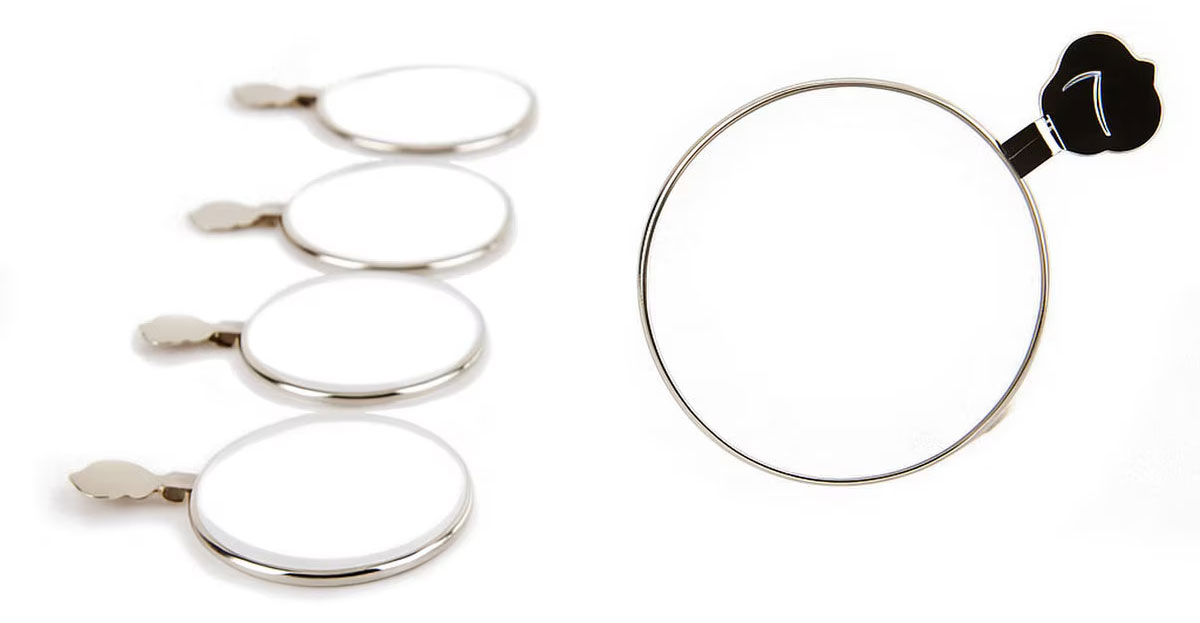
Get an Aniseikonia Size Lens Kit which helps you assess the magnification needed to correct size discrepancies in your aniseikonia patient’s vision.