NoIR Filters Comparison
Finding the right NoIR filter often requires exploring a wide range of options. Because these filters cross over between low vision and neuro-visual applications, the selection process can feel overwhelming. Colors range from deep ambers and greens to grays and plums, and because each patient's visual system processes light differently, a filter that offers immense relief to one person might not be the right fit for the next.
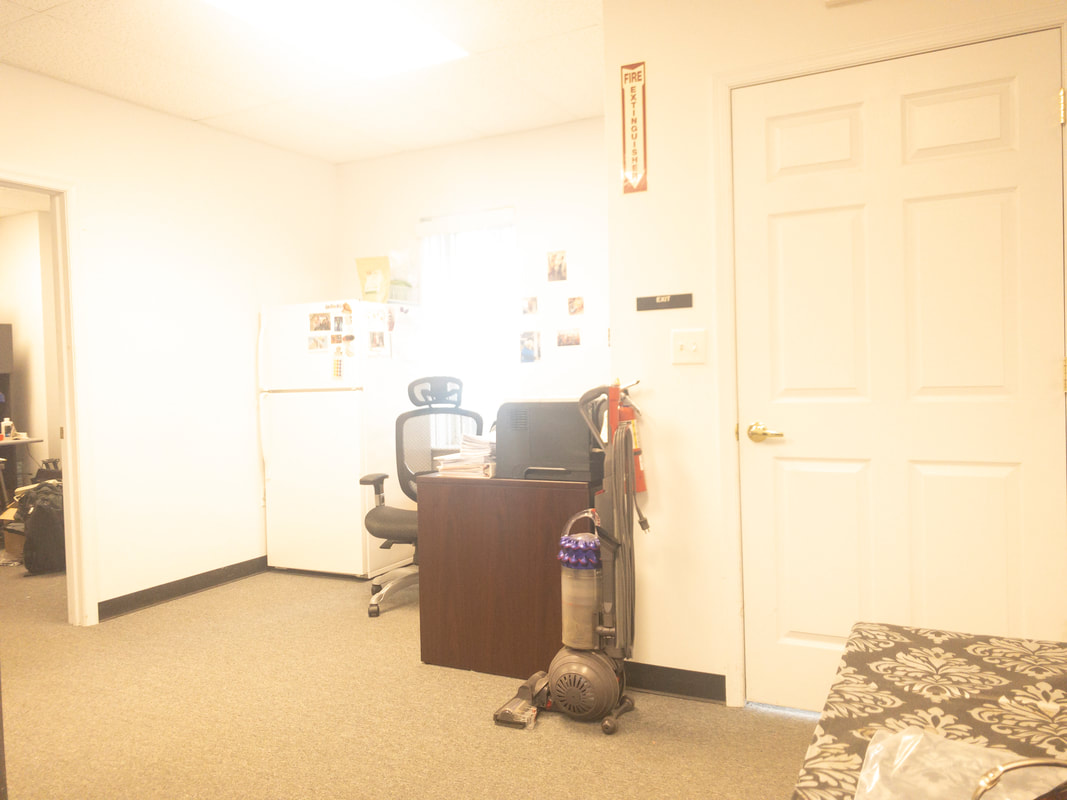
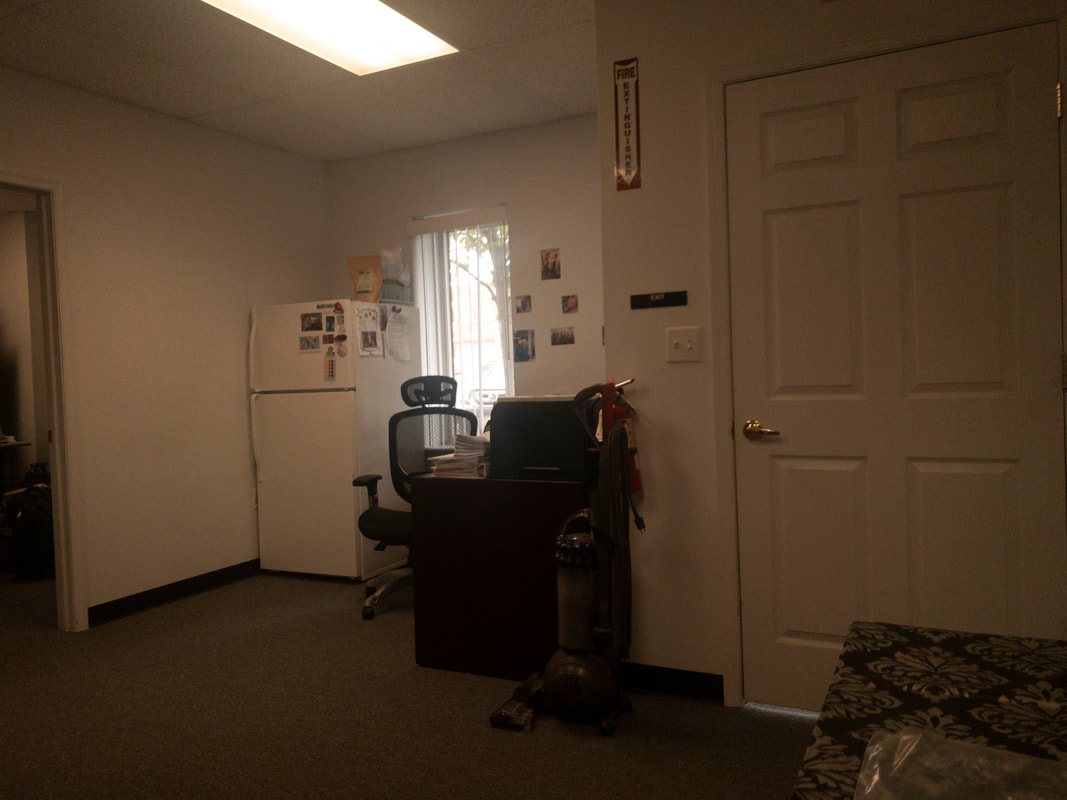
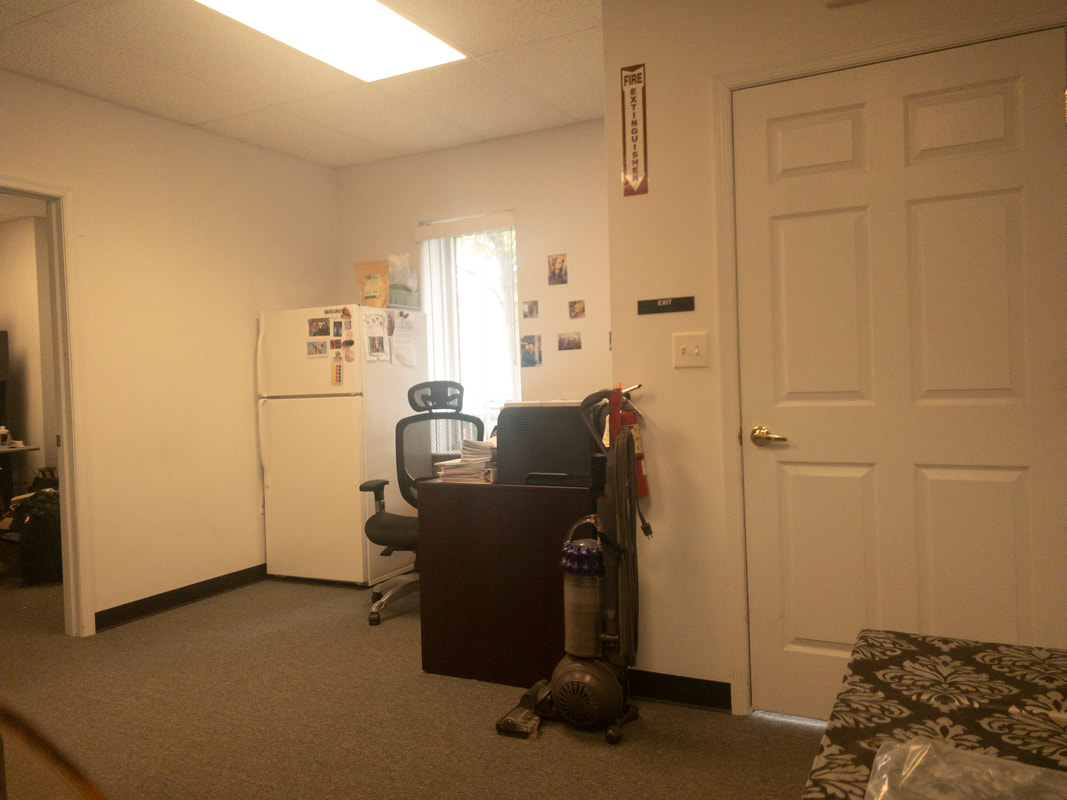
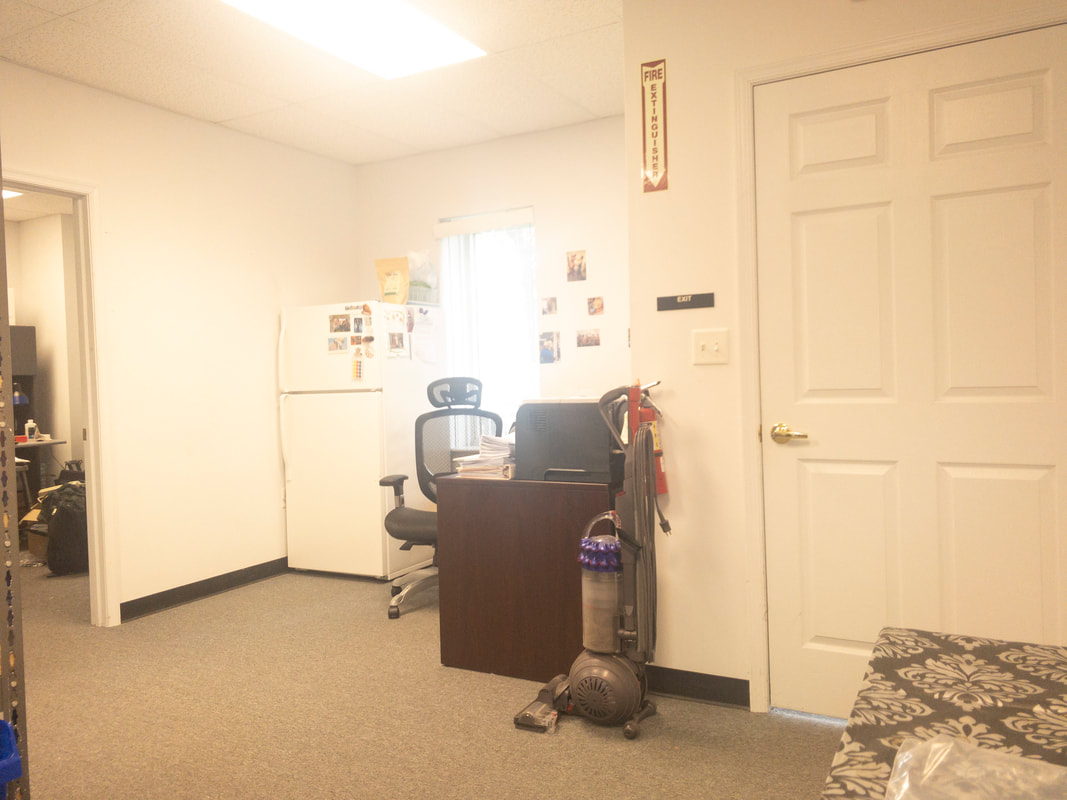
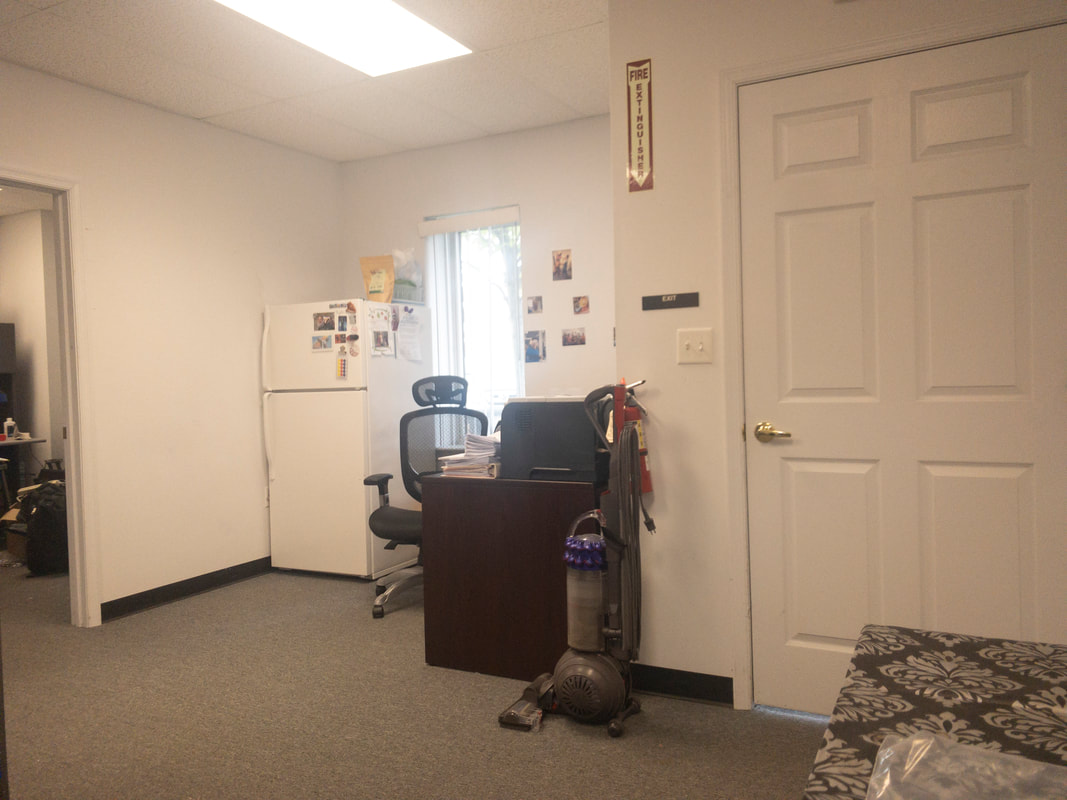
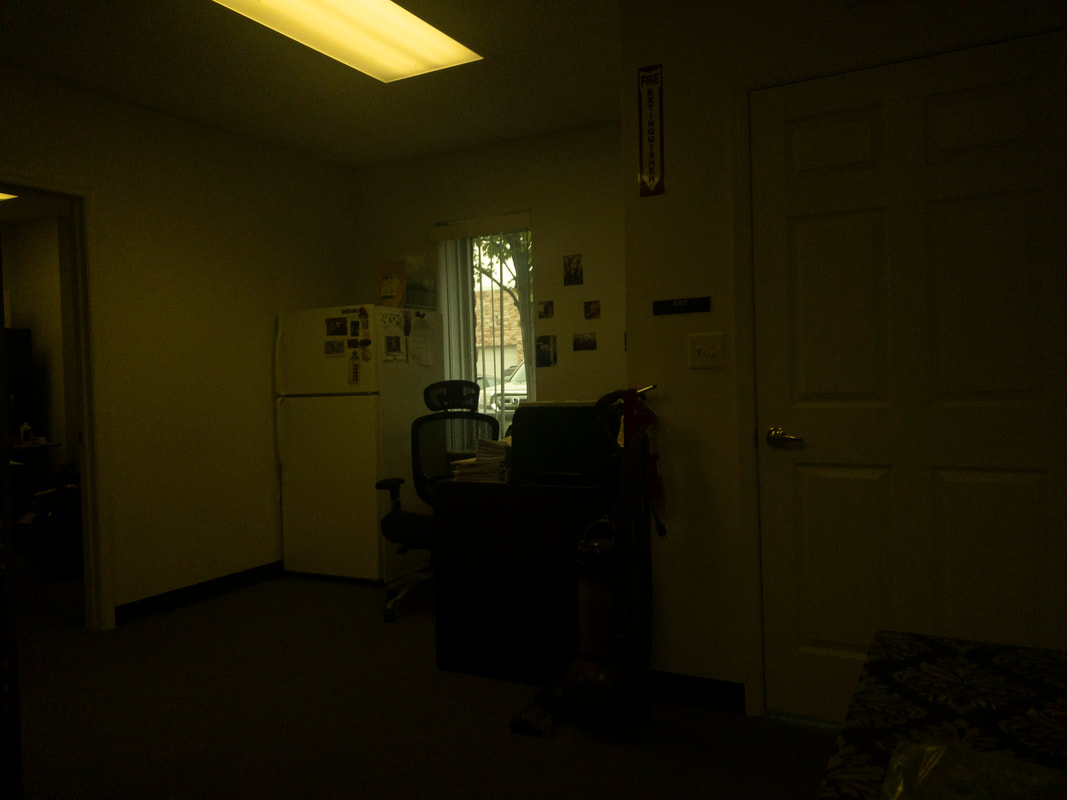
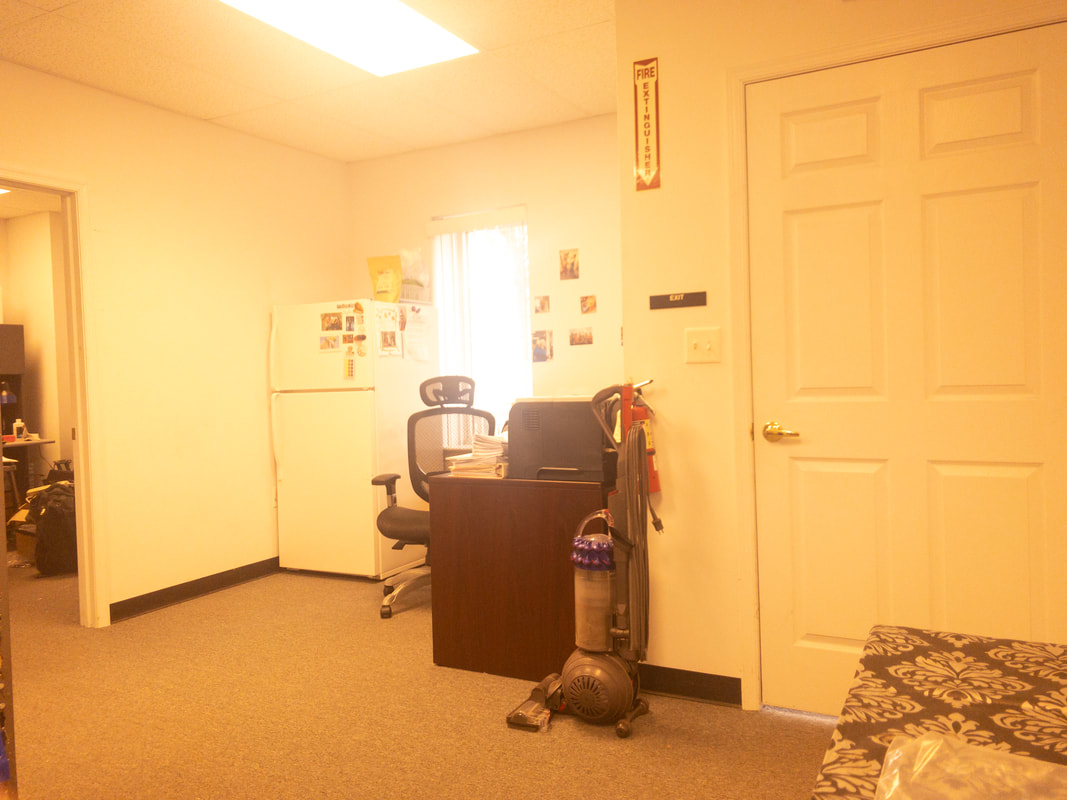
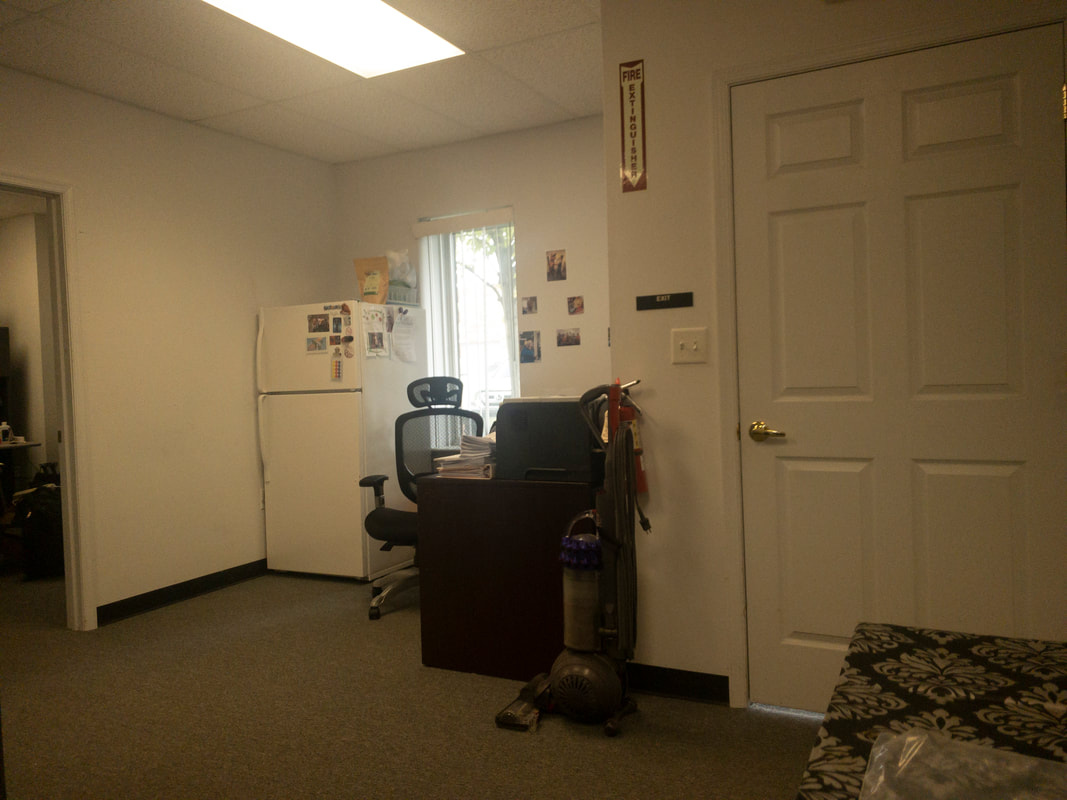
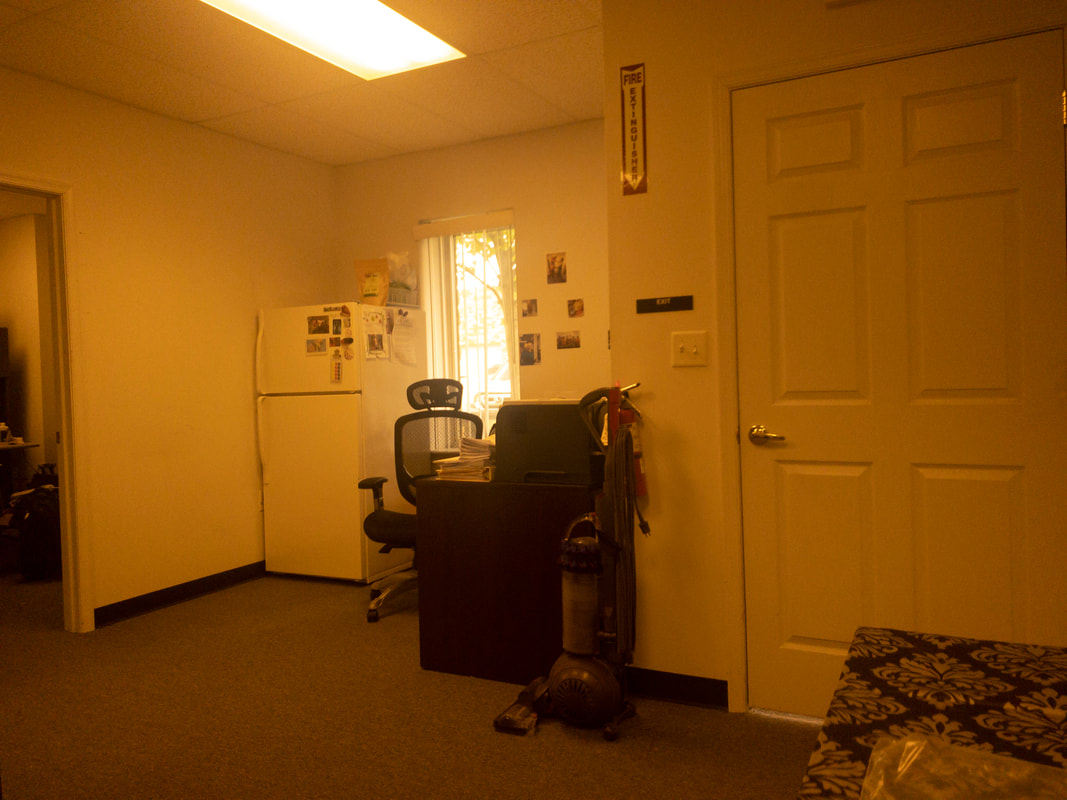
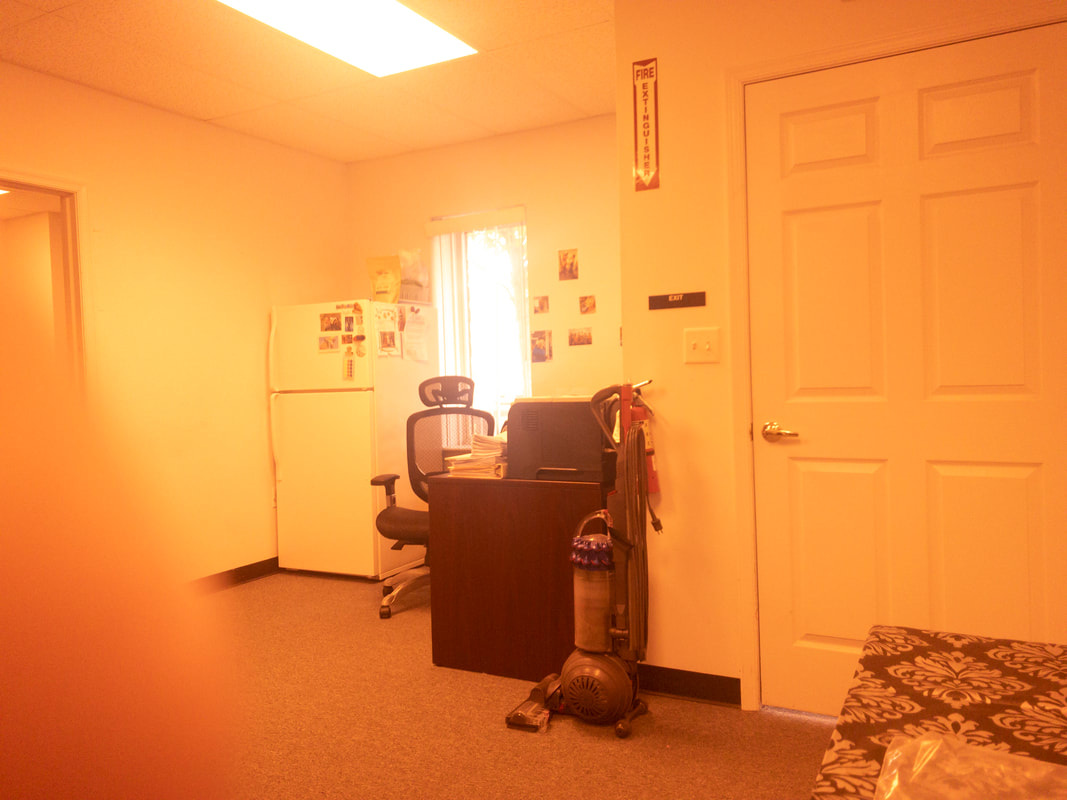
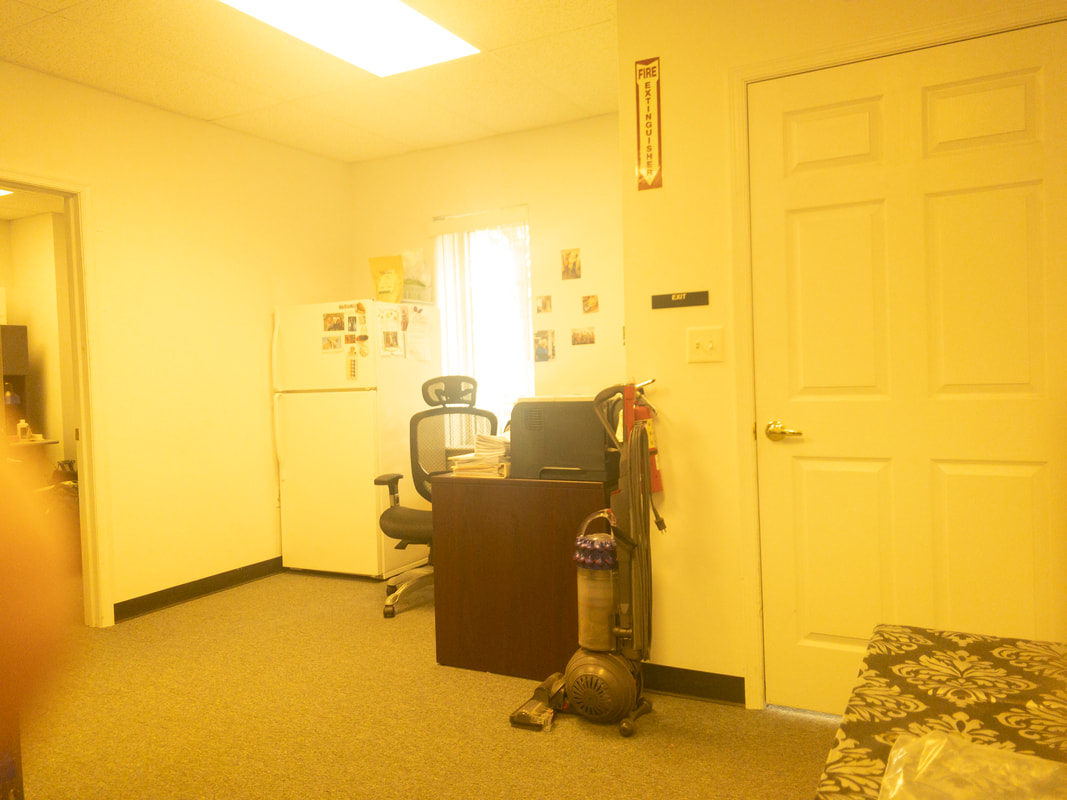
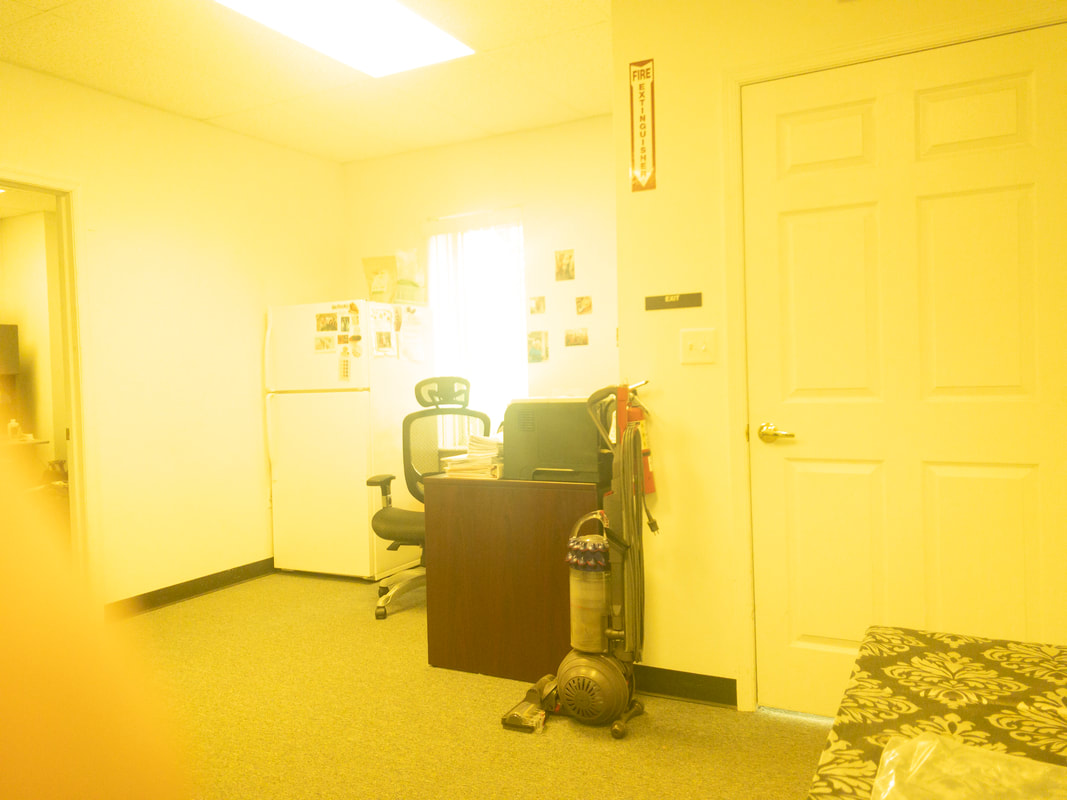
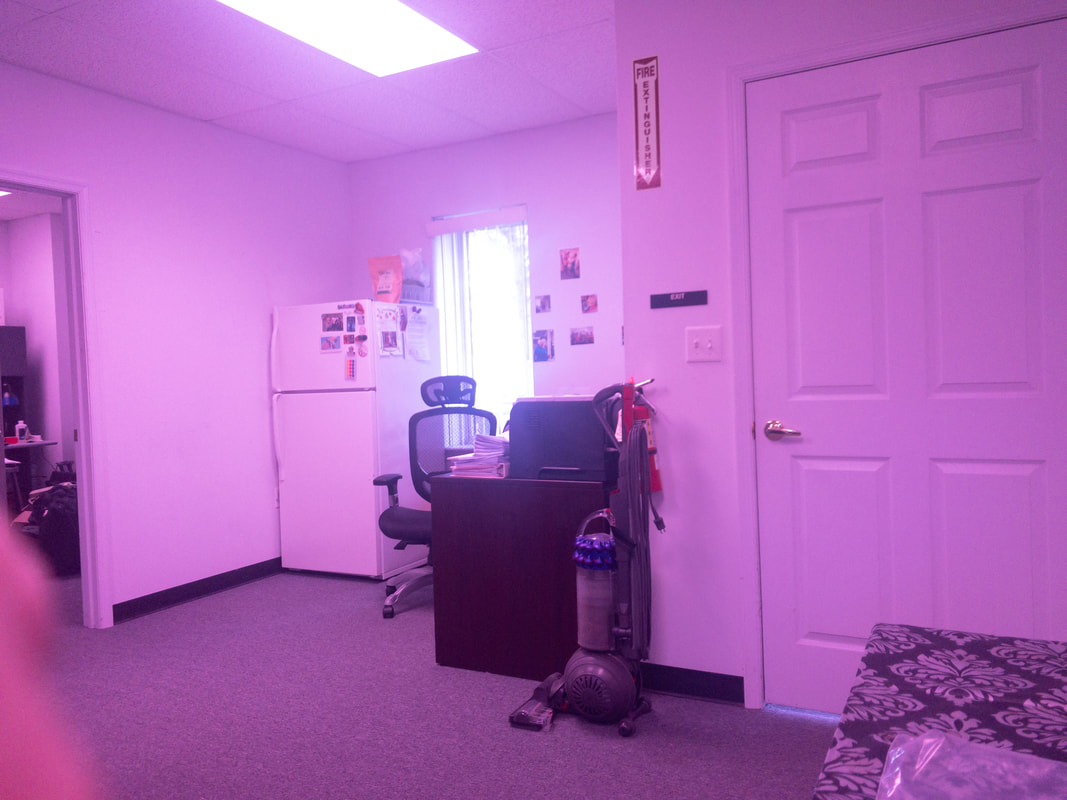
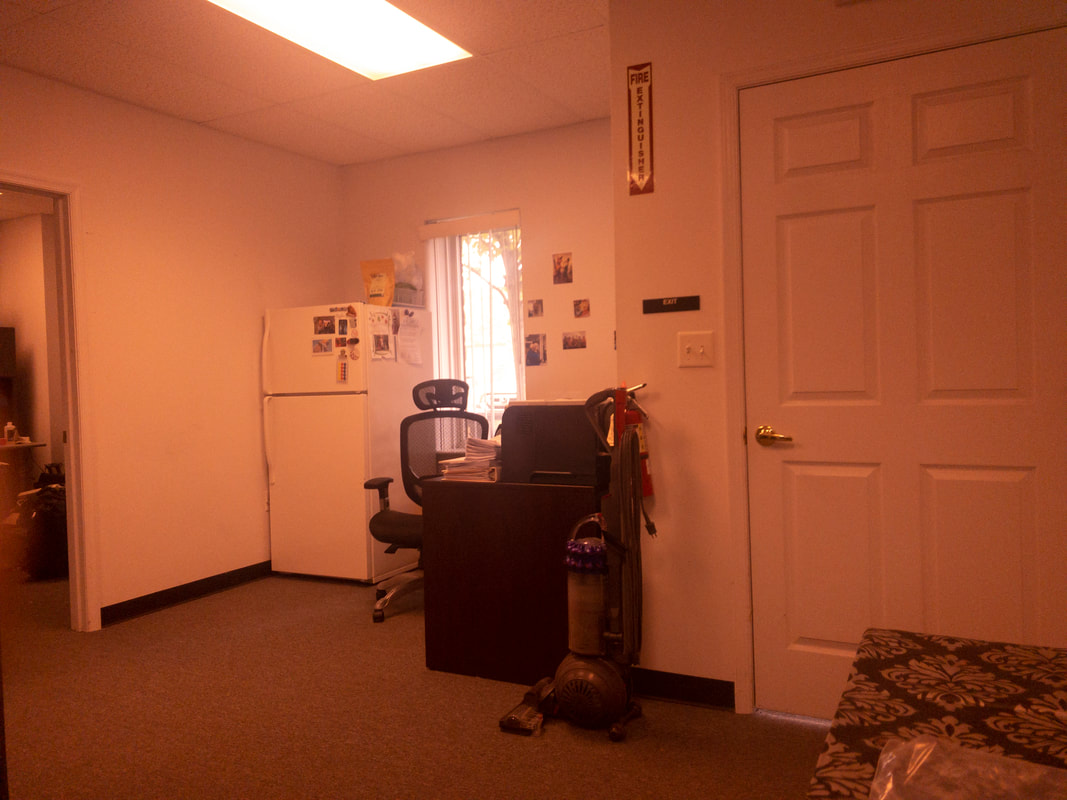
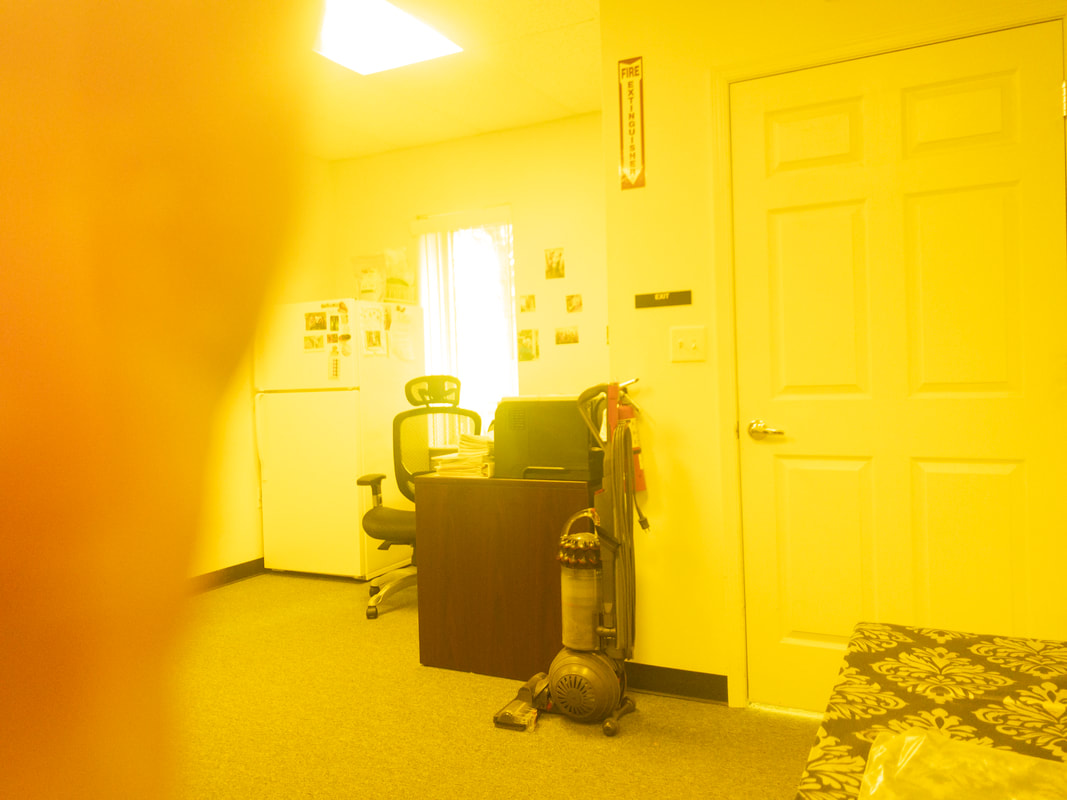
This tool is designed to help you navigate our most popular NoIR filters for neuro and low vision conditions. It provides a photographic approximation of how each filter alters a real-world scene, giving you a sense of the color cast and light reduction before physical testing begins. Click on any of the NoIR tints below to see a side-by-side comparison with unfiltered vision.
Check below for a side-by-side comparison of no filter vs the following NoIR tints:
NoIR 02
NoIR 12

NoIR 20

NoIR 21
NoIR 33
NoIR 41

NoIR 42
NoIR 44

NoIR 47
NoIR 48
NoIR 58

NoIR 72
NoIR 81 (Dark Plum)
NoIR 465
A quick reminder about screen simulations: While these images are a helpful starting point, they cannot replace a true, in-office filter evaluation. Monitors and devices render color differently, and a digital approximation won't replicate how a specific lens performs under varying lighting conditions in front of your patient's eyes. TBI and low vision patients can be incredibly sensitive to minor differences in light transmission, making hands-on testing essential.
If you're ready to start evaluating these filters with your patients in person, our Tint Selection Kits provide the physical samples you need for an accurate, hands-on assessment. They offer an efficient way to determine the most effective tint and the best lens shape for a custom clip. If you're working with a complex case or just aren't sure where to begin, give us a call. We're always happy to talk through the options and figure it out together.